Identity
Agent Passport
A portable identity that describes who operates the agent, what it can do, and how to verify it.
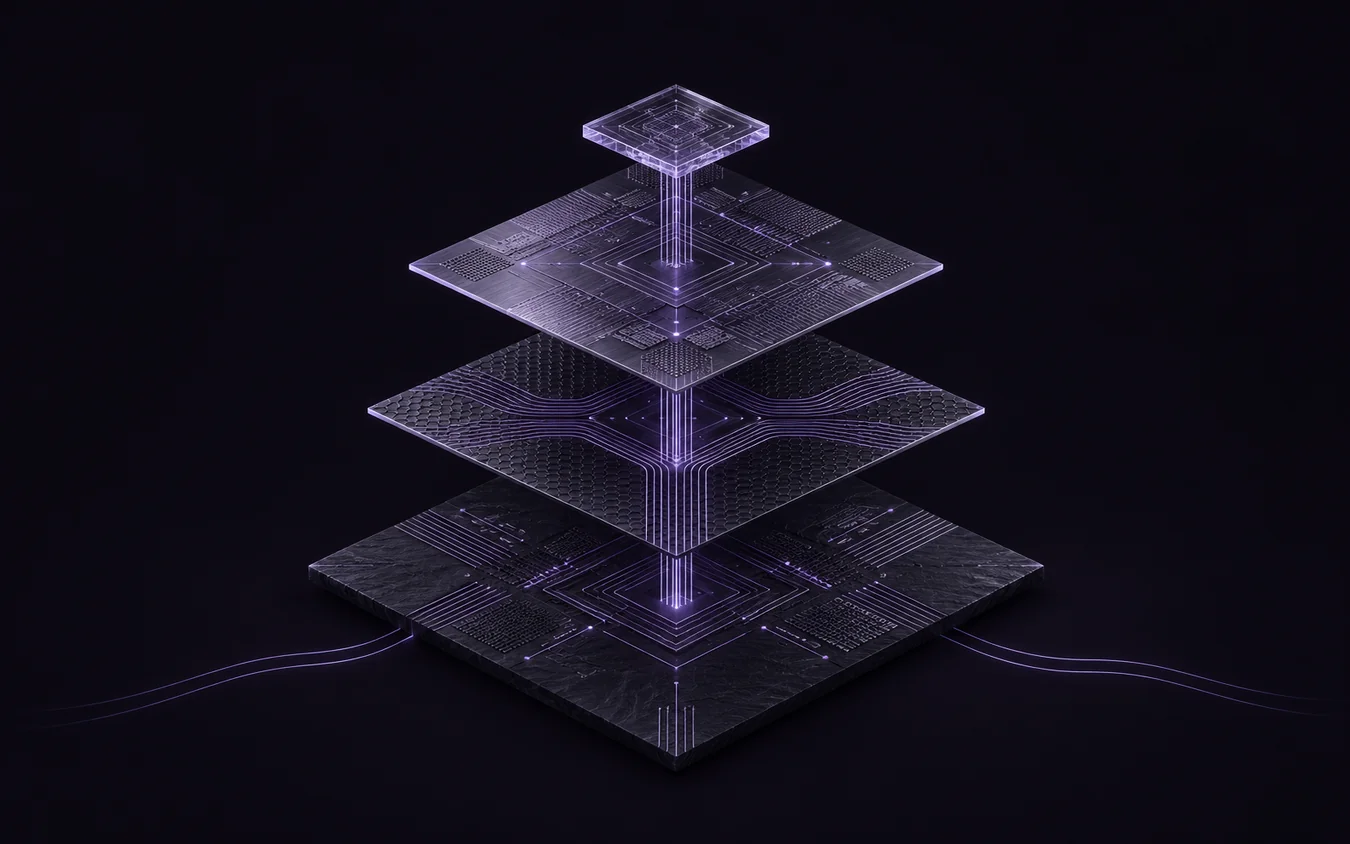
The agent-native infrastructure layer
An interoperable layer where AI agents can identify themselves, discover services, and act with delegated authority.
01 / The foundation
The first planned release gives agent developers a way to identify agents, publish their capabilities, and control what they can access.
A portable identity that describes who operates the agent, what it can do, and how to verify it.
A machine-readable directory of agents and services. Find a capability and learn how to connect to it.
Evaluate each action against owner-defined policies. Scope and revoke access, request approval, and record decisions.
02 / Interactive concept
A research agent needs a service to summarize a document. See how it proves its identity, finds a service, and requests permission to use it.
See the full ecosystemAgent Passport
The agent presents a credential tied to its owner. The service checks it before accepting the request.
Registry
The agent asks for a document summarizer. A registry entry describes the service’s capabilities, interface, and authentication requirements.
Permission Gateway
The gateway evaluates the requested action against permissions set by the owner and records its decision.
03 / Ecosystem roadmap
Identity and the Network establish how agents connect and act. The roadmap extends that foundation to compute, data, spending, and model operations.
Agent profiles, credentials, and delegated authority.
Agent discovery, messaging, and task delegation.
Isolated runtimes, agent hosting, and resumable work.
Persistent memory, files, and portable context.
Owner-set budgets, service payments, and receipts.
Model routing, evaluation, and observability.
04 / Architecture
Agents use APIs to discover capabilities, present credentials, and request services. People use a dashboard built on those same APIs to set policy and inspect activity.
Operators use the same underlying APIs as agents to manage access, review approvals, and inspect traces.
An agent can be hosted independently and still present its identity, find services, and request narrowly scoped access.
A2A describes how agents communicate and exchange work. MCP connects agents to tools and data. HTTPS and OAuth supply familiar transport and authorization patterns.
The planned infrastructure works over the existing internet and integrates with providers for runtime, storage, and payments.